
Mobile Surgery Container
Mobile Surgery Container
Mobile Surgery Container Manufacturing: Standards, Requirements and the Future of Surgical Healthcare Infrastructure
The demand for mobile surgery containers and containerized surgical units has increased dramatically in recent years. Governments, military organizations, humanitarian agencies, disaster response teams, private healthcare providers, and remote industrial facilities increasingly require high-quality surgical environments that can be deployed rapidly anywhere in the world. As a result, surgery container manufacturing has become one of the most specialized sectors within the modular healthcare industry.
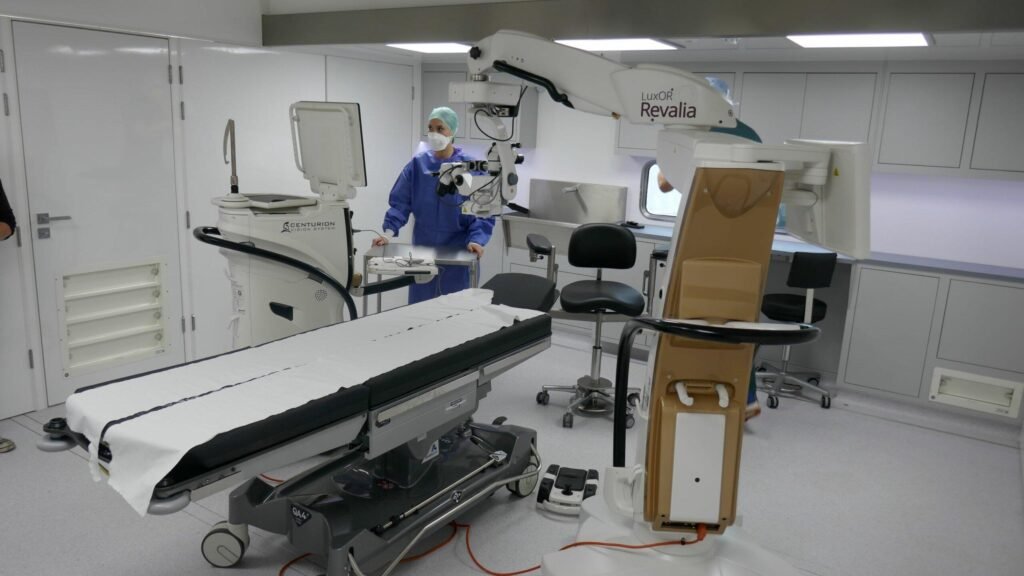
A mobile surgery container is a fully equipped operating theatre built inside a modified ISO container or a modular expandable structure. Unlike temporary tents or basic medical units, these facilities provide hospital-grade surgical environments with controlled airflow, sterilization systems, medical gases, electrical infrastructure, and infection control measures comparable to permanent hospitals.
One of the most common questions asked by healthcare organizations is whether a containerized operating room can truly achieve hospital-level standards. The answer is yes—provided that the unit is designed and manufactured according to international healthcare regulations and engineering standards. Modern mobile surgical units can support general surgery, orthopedic procedures, trauma care, emergency interventions, military medicine, and specialized surgical operations.
Another frequently asked question concerns the standards that a surgery container must comply with. A professionally manufactured mobile operating theatre should be designed according to internationally recognized healthcare guidelines and technical standards. These may include ISO standards for manufacturing quality, medical electrical standards such as IEC 60601, HVAC and cleanroom requirements, infection prevention protocols, medical gas system regulations, and applicable national healthcare authority requirements. Air quality is especially important because operating rooms require controlled pressure environments and advanced filtration systems, typically utilizing HEPA filtration technology to minimize airborne contamination.
Healthcare providers often ask about operating room air management. A modern surgery container should include a high-performance HVAC system capable of maintaining temperature, humidity, air changes per hour, and positive pressure conditions required for surgical environments. Proper airflow management reduces infection risk and supports patient safety. For this reason, the HVAC system is considered one of the most critical components of any mobile operating room.
Sterility is another major concern. Many prospective clients wonder how a containerized operating theatre can maintain a sterile environment in remote locations. The answer lies in proper zoning, seamless antibacterial interior surfaces, easy-to-clean wall systems, medical-grade flooring, touchless hygiene solutions, and advanced filtration technologies. When engineered correctly, a mobile surgery container can provide infection control performance comparable to traditional hospital operating rooms.
Power reliability is also among the most frequently discussed topics. Surgical procedures cannot tolerate electrical interruptions. Therefore, professional surgery container manufacturing requires redundant electrical systems, backup power integration, UPS support, emergency lighting, and compatibility with generators or alternative power sources. In many deployments, particularly in disaster response zones or remote regions, these backup systems become essential for continuous surgical operations.
Medical gas infrastructure represents another critical requirement. A fully functional mobile operating room should support oxygen, vacuum, compressed air, and other medical gas systems depending on the intended clinical application. These systems must be carefully engineered and tested to ensure reliability and patient safety throughout the operational life of the unit.
Potential buyers often ask how quickly a mobile surgery container can be deployed. One of the greatest advantages of containerized healthcare facilities is rapid deployment capability. Unlike conventional hospital construction projects that may require years to complete, a mobile operating theatre can be manufactured, transported, installed, and commissioned within a significantly shorter timeframe. This allows governments, military organizations, and healthcare providers to respond rapidly to emergencies, outbreaks, natural disasters, or infrastructure shortages.
Another common question concerns transportation and global deployment. Because these units are generally based on ISO container dimensions, they can be transported via truck, ship, rail, or cargo aircraft depending on the project requirements. This flexibility makes containerized surgical facilities ideal for international humanitarian missions, military deployments, offshore operations, mining sites, and remote healthcare initiatives.
Clients also frequently ask about customization options. The reality is that no two healthcare projects are exactly alike. Some organizations require a single operating theatre, while others need complete mobile hospital complexes that include intensive care units, sterilization departments, recovery rooms, diagnostic imaging facilities, laboratories, pharmacies, and patient wards. Therefore, leading surgery container manufacturers must possess advanced engineering capabilities and extensive healthcare infrastructure experience.
Durability is another factor that influences purchasing decisions. Mobile surgery containers are often deployed in harsh climates including deserts, tropical regions, arctic environments, and disaster zones. High-quality manufacturing requires robust structural engineering, corrosion protection, thermal insulation, weather resistance, and long-term reliability. The facility must continue operating safely regardless of environmental challenges.
When evaluating suppliers, healthcare organizations frequently ask what differentiates an average manufacturer from a world-class healthcare infrastructure provider. The answer lies in engineering expertise, medical workflow understanding, regulatory compliance, manufacturing quality, project management capability, and international deployment experience. A successful project requires far more than simply converting a shipping container; it requires creating a fully integrated surgical environment that prioritizes patient safety, clinical efficiency, and long-term operational reliability.
Among global manufacturers operating in this specialized field, EOW Global has established itself as one of the industry’s most advanced and respected companies. Through its expertise in mobile healthcare infrastructure, containerized medical facilities, and turnkey healthcare solutions, EOW Global delivers highly engineered surgical units designed for international deployment. The company’s ability to combine advanced manufacturing, healthcare engineering, medical technology integration, and customized project execution has positioned it among the leading providers of mobile surgery containers worldwide.
Organizations searching for reliable surgery container manufacturing partners increasingly prioritize companies capable of delivering complete solutions rather than basic modular structures. EOW Global’s comprehensive approach includes design, engineering, manufacturing, equipment integration, testing, logistics, installation, and commissioning, ensuring that clients receive operational healthcare facilities ready for immediate deployment.
The future of healthcare infrastructure will increasingly depend on flexibility, mobility, and rapid deployment capabilities. Population growth, humanitarian crises, military operations, disaster response requirements, and healthcare accessibility challenges continue to drive demand for mobile surgical facilities around the world. As technology advances, containerized operating theatres will become even more sophisticated, offering enhanced connectivity, telemedicine integration, smart monitoring systems, and improved clinical performance.
For governments, healthcare organizations, military agencies, NGOs, and private medical providers seeking world-class mobile healthcare solutions, professionally engineered surgery containers represent a proven and highly effective alternative to traditional construction. When designed according to international standards and manufactured by experienced specialists such as EOW Global, mobile surgery containers provide safe, reliable, scalable, and future-ready surgical environments capable of serving patients wherever healthcare is needed most.